
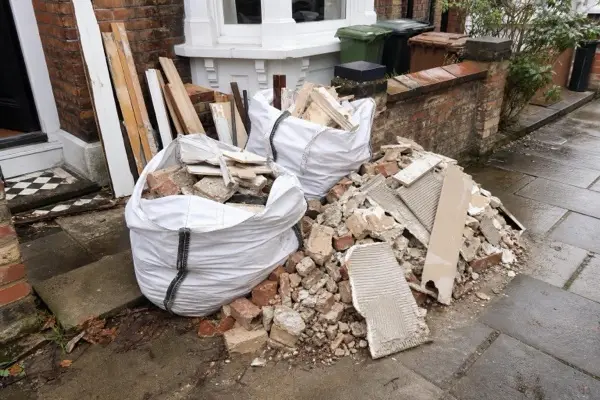
 Hi, can I get a price for this? SE15
How to Reduce Event Waste: A London Organiser's Guide
The decisions that actually cut event waste – cup systems, bin placement, trader rules – and the ones that only look good on paper.
Read guide
Food waste at events is regulated, smelly and expensive if you get it wrong. Under the Simpler Recycling rules, every London event producing food waste must collect it separately from general rubbish – mixing the two is a duty-of-care breach and leaves your caterers exposed.
Event organisers often inherit the problem late, finding out at the pre-event meeting that caterers expect food-waste bins they haven't ordered, or that the council licence assumed a separate stream the waste contractor doesn't supply.
Wedding and corporate caterers need discreet collections between courses so nothing smells in August heat, and clean caddies that don't break kitchen hygiene standards.
Festival traders need lidded bins next to their pitch that get emptied before service resumes, and a cooking oil drum that isn't tipped into the drains by mistake.
Sustainability teams want evidence that the food waste actually goes to anaerobic digestion and not landfill – with the destination facility named on the certificate.
Any London Waste supplies sealed food-waste caddies, public compostable stations and dedicated collection vehicles that take your food waste to a licensed AD facility. Every certificate names the receiving plant and the tonnage processed.
Tell us your caterer count, expected covers and service windows – we size the caddy fleet and collection schedule.
Caddies and liners delivered pre-event, placed in caterer prep areas with a short briefing for kitchen teams.
During the event we empty on schedule – between courses at weddings, before and after service at festivals.
Collections go straight to a licensed AD facility. Certificate names the plant and the tonnage received.
240L caddies in service corridors, emptied between courses. Clean paperwork for the venue.
Back-of-house caddies plus catered break-out service. Reported per stream in the sustainability summary.
One caddy per trader pitch, emptied ahead of peak service. Cooking oil drums collected separately.
Shared caddy stations for stallholders, plus public-facing compost bins next to recycling.
Concession stand caddies and VIP hospitality kitchen collections.
Budget-friendly shared caddies with smaller collection windows.

Priced per caddy and per collection, from a photo or a quick site visit, and fixed before we arrive. Festival pricing is per trader pitch and is bundled with the wider event quote. Cooking oil drums are priced per drum.
Free caterer briefing sheet included with every booking.
No callbacks, no surprises. Snap a photo of your rubbish, send your postcode, get a fixed price back.
Office hours: Mon–Fri 6am–7pm, Sat 10am–5pm
Can’t see your question? Send us a photo on WhatsApp or call – we reply in minutes.
Practical tips on waste removal, recycling, and keeping your London property clear.
The decisions that actually cut event waste – cup systems, bin placement, trader rules – and the ones that only look good on paper.
Read guideStep-by-step checklist for London micro-businesses preparing for the 31 March 2027 Simpler Recycling deadline: FTE math, bin set-up, carrier selection, paperwork, and cost reality.
Read guideHow Environment Agency cost recovery works under Simpler Recycling: when £118/hour applies, what triggers a visit, the enforcement ladder, and how to avoid charges.
Read guideTell us what needs to go and get a fixed price before we arrive. We do all the lifting, load the lorry and sweep up after.
Or call us free08 00 599 99 96